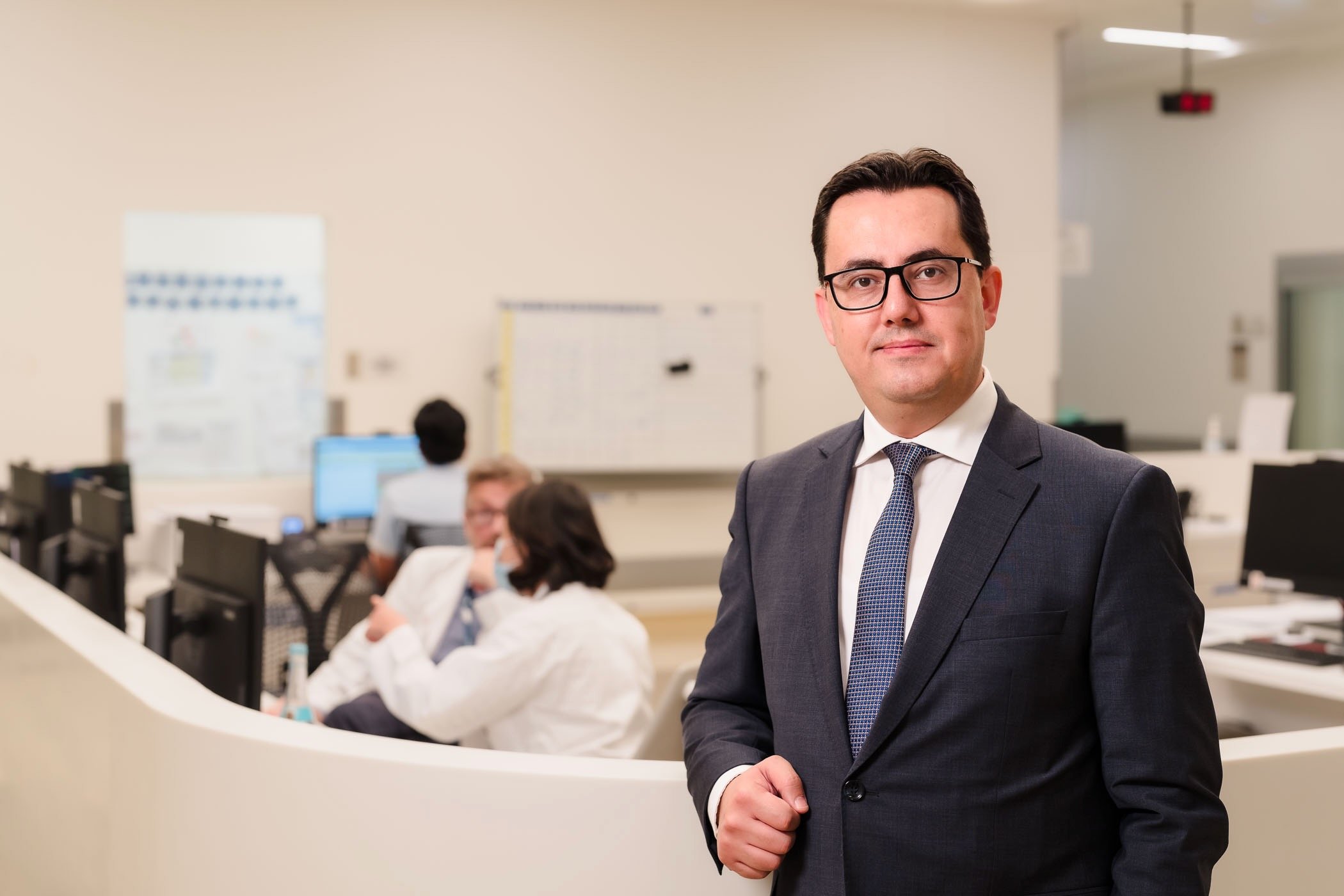
Physician, International Healthcare CEO
who has built, commissioned, listed and turned around hospitals — setting the strategy and carrying the P&L himself, and using technology at every step to make care better for the people delivering and receiving it
I have spent more than twenty years building and running hospitals in the Gulf — the region that has built more new hospital capacity, faster, than anywhere else in the world — working to American and international clinical standards with partners from Los Angeles to Seoul. I have done the three things most executives do once: a greenfield build, a stock-market listing and a turnaround to profit.
What interests me now is what that discipline can do in systems where capital is tighter, the workforce is unionised, and the owner is not in the room.
I teach at University College London, wrote Connected Care on why the most important transformation in healthcare is relational rather than technical, and host The Chief Healthcare Officer, a podcast with health system leaders across the world — because the lessons have turned out to be more useful shared than kept.
What more than twenty years of building and running hospitals has taught me
-
Most of the problems I've inherited in a hospital's fifth year were created in its first month — the bed count, the case mix, the building itself. I've come to believe the most valuable conversation in any project is the one before the architect is appointed.
-
A hospital designed by people who will never run it is a different building from one designed by people who will. I've stood on both sides, and the second is cheaper in the end.
-
The distance between handover and the first complex case is where budgets and reputations go missing. It can be closed in months, not years, if it is treated as a clinical programme rather than a construction milestone.
-
Quality, people, payers and the numbers, every month, without a head office to call. The discipline is unglamorous and it is the whole job.
-
Bringing an asset back to breakeven is mostly about honesty — with the board, the clinicians and the numbers. Preparing it for a listing is about telling the truth well.
-
It built for the operating model rather than the building, bought international standards rather than reinventing them, and held its executives to the numbers. A stretched health system can borrow all three without the money.
Stay in touch
I write about the work — building and running hospitals, technology, leadership, the people I learn from — and I share what I'm doing: new pieces, podcast episodes, talks, and the occasional update on where I am and what I'm thinking about. If you'd like to hear from me directly, leave your email.